
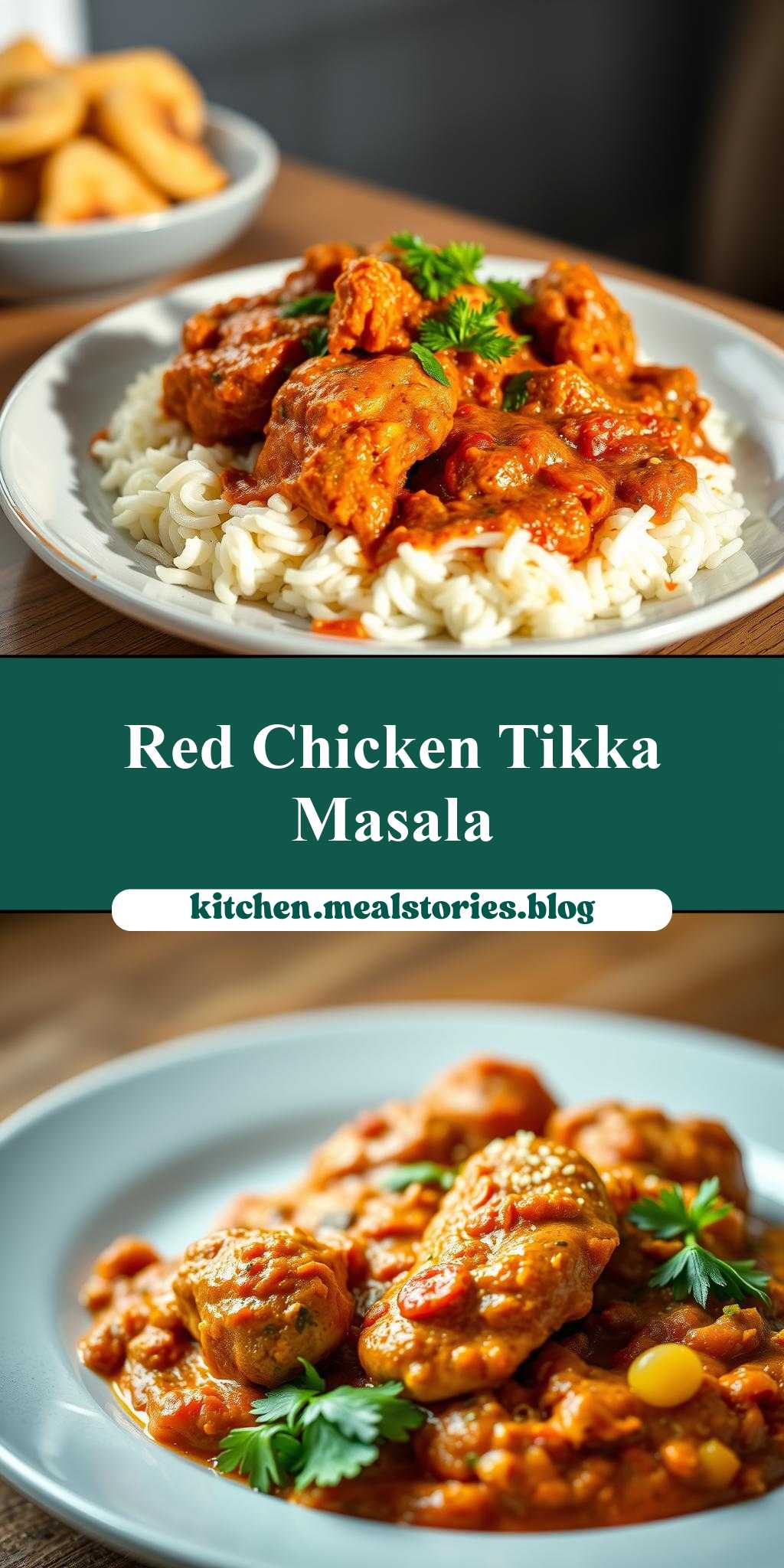
What makes Gordon Ramsay’s chicken tikka masala so irresistibly delicious? Rich tomato sauce and tender chicken make this easy weeknight dinner a family favorite, perfect for a quick homemade meal, try making it with yogurt and spices for a creamy twist, save this idea
the cover of gordon ramsay’s chicken tikka masala is shown in red
Introduction
Imagine a dish so divine, it’s as if Gordon Ramsay himself has stepped into your kitchen to guide you through the preparation of his iconic Chicken Tikka Masala. This beloved recipe, with its rich, creamy sauce and tender chicken, is a staple of Indian cuisine that has won hearts around the globe. What makes this version stand out is not only its vibrant red hue, reminiscent of a perfectly ripened tomato, but also its ease of preparation and the depth of flavor it achieves with everyday ingredients. Whether you’re a seasoned chef or a culinary novice, this recipe promises to deliver a truly impressive dining experience with minimal fuss, making it perfect for special occasions or a cozy night in with family and friends.
Why This Works
- Flavor balance and ingredient accessibility: The beauty of this recipe lies in its balance of spices, the richness of the tomato sauce, and the use of readily available ingredients, making it accessible to anyone looking to spice up their meal routine.
- Ease of preparation: Despite its sophisticated flavor profile, the preparation of Chicken Tikka Masala is surprisingly straightforward, involving a simple marination process, a quick sauté, and a simmer in the rich, red sauce.
- Impressive results with minimal effort: The end result is a dish that looks and tastes like it was prepared in a high-end restaurant, with the vibrant red sauce and the tender, flavorful chicken sure to impress your guests, all achieved with remarkably little effort.
Key Ingredients
The foundation of a great Chicken Tikka Masala lies in its ingredients. You’ll need boneless, skinless chicken breasts, a mix of Indian spices including cumin, coriander, and cayenne pepper, plain yogurt for marination, onions, garlic, ginger, a can of diced tomatoes for the sauce, heavy cream or half-and-half for richness, and fresh cilantro for garnish. For the sauce to achieve its signature red color, you might consider using a combination of diced tomatoes and a bit of tomato paste. Practical substitutions can include using coconut cream instead of heavy cream for a dairy-free version or swapping out chicken for paneer or tofu for a vegetarian option.
Instructions
- Step 1: Begin by preparing your ingredients. Chop the onions, mince the garlic and ginger, and measure out your spices. In a large bowl, whisk together the yogurt, cumin, coriander, cayenne pepper, and a pinch of salt and pepper. Add the chicken breasts and mix well to coat. Cover and refrigerate for at least 30 minutes or up to 2 hours.
- Step 2: Heat a couple of tablespoons of oil in a large skillet over medium-high heat. Remove the chicken from the marinade, letting any excess liquid drip off. Cook the chicken until it’s browned on all sides and cooked through, about 6-8 minutes. Transfer the chicken to a plate and set aside.
- Step 3: In the same skillet, add a bit more oil if necessary, then add the chopped onions. Cook, stirring occasionally, until they’re lightly browned and caramelized, about 8 minutes. Add the minced garlic and ginger and cook for 1 minute, stirring constantly to prevent burning. Then, add the can of diced tomatoes, tomato paste (if using), and a cup of chicken broth. Stir to combine, scraping up any browned bits from the bottom of the pan. Bring the mixture to a simmer and let cook for 10-15 minutes, stirring occasionally, until the sauce has thickened and reduced slightly. Season with salt and pepper to taste.
- Step 4: Stir in the heavy cream or half-and-half and add the cooked chicken back into the sauce. Simmer for an additional 2-3 minutes, until the chicken is fully coated in the sauce and heated through. Taste and adjust the seasoning as needed. Serve hot, garnished with fresh cilantro and basmati rice or naan bread on the side.
Handy Tips
- For an even richer sauce, consider adding a tablespoon or two of butter towards the end of the simmering process, as it will enhance the flavor and texture of the sauce. Also, be mindful of the heat level, as the cayenne pepper can add a significant kick. Adjust the amount to your taste, or omit it altogether for a milder version.
Heat Control
Heat control is crucial in this recipe, especially when cooking the chicken and simmering the sauce. For the chicken, you’re aiming for a medium-high heat to achieve a good sear, but be careful not to burn the exterior before the interior is fully cooked. For the sauce, a medium heat is ideal, allowing for a gentle simmer that helps to thicken the sauce without burning it. The ideal internal temperature for cooked chicken is 165°F (74°C), and you should aim for a sauce that coats the back of a spoon, indicating it has reached the perfect consistency.
Crunch Factor
The texture of Chicken Tikka Masala is primarily tender and creamy, thanks to the chicken and the rich sauce. However, adding some crunch can provide a delightful contrast. Consider topping your dish with toasted almonds or cashews, crispy onion strips, or even some fresh cilantro for a bit of freshness and texture. The key is to balance the softness of the chicken and sauce with elements that add depth and interest to each bite.
Pro Kitchen Tricks
- One of the best tricks for achieving a deep, rich sauce is to cook it low and slow. If you have the time, consider simmering the sauce for an additional 30 minutes to an hour, stirring occasionally, to really develop the flavors. Also, using high-quality ingredients, such as fresh spices and real cream, will make a significant difference in the end result.
Storage Tips
- Leftover Chicken Tikka Masala can be stored in the refrigerator for up to 3 days. It’s best to cool the dish to room temperature before refrigerating or freezing to prevent the growth of bacteria. For reheating, simply warm the dish over low heat, stirring occasionally, until the sauce is hot and the chicken is heated through. You can also freeze the dish for up to 2 months, though it’s best to freeze the chicken and sauce separately for easier reheating.
Gift Packaging Ideas
If you’re considering gifting this dish, perhaps for a potluck or as a care package, there are several creative ways to package it. You could transfer the cooled Chicken Tikka Masala to a decorative jar, seal it, and wrap it in a tea towel or a piece of cloth for a rustic touch. Alternatively, you could package it in microwave-safe containers and include a packet of basmati rice or some naan bread for a complete meal. Don’t forget to include a card with reheating instructions to ensure your gift is enjoyed to its fullest potential.
Flavor Variations
- Different spices: Experiment with various spice blends, such as adding a bit of cinnamon or cardamom for a unique twist, or using smoked paprika for a smoky depth.
- Creative toppings: In addition to nuts or crispy onions, consider other toppings like diced bell peppers, shredded lettuce, diced avocado, or even a dollop of yogurt or sour cream to add freshness and coolness.
- Ingredient swaps: For a vegan version, you could swap the chicken with extra-firm tofu or tempeh, marinated and cooked in a similar manner. You could also experiment with different types of protein like shrimp or beef for a change of pace.
Troubleshooting
- Texture problems: If your sauce turns out too thin, try simmering it for a longer period or adding a bit of cornstarch or flour to thicken it. If it’s too thick, you can always add a bit more chicken broth or cream.
- Ingredient replacements: If you’re missing a specific spice or ingredient, don’t be afraid to substitute or omit it. The key to a great Chicken Tikka Masala is balance, so taste as you go and adjust the seasoning accordingly.
- Over/undercooking signs: Keep an eye on your chicken’s internal temperature, and make sure the sauce is simmered until it reaches your desired consistency. Undercooked chicken will be pink and soft, while overcooked chicken will be dry and tough. Adjust your cooking time as needed to achieve perfection.
FAQs
- Can I freeze it? Yes, Chicken Tikka Masala can be frozen for up to 2 months. It’s best to freeze the chicken and sauce separately for easier reheating.
- Is it gluten-free? The basic recipe is gluten-free, but be cautious of the ingredients in your store-bought spices or broth. Always check the labels to ensure they meet your dietary requirements.
- Can I double the recipe? Absolutely, this recipe can be easily doubled or tripled to feed a larger crowd. Just be sure to use a large enough skillet and adjust the cooking time as necessary to ensure everything is heated through and cooked to perfection.
Conclusion
With its vibrant red color and deep, satisfying flavors, Gordon Ramsay’s Chicken Tikka Masala is a dish that’s sure to become a staple in your culinary repertoire. Whether you’re cooking for one or feeding a crowd, this recipe offers the perfect blend of ease, creativity, and impressive results. Don’t be afraid to experiment with different spices or ingredients to make the dish your own, and enjoy the process of creating something truly special. As you share this meal with others, remember the joy of cooking lies not just in the eating, but in the love and effort you put into every step of the process. So go ahead, get cooking, and let the aroma of Chicken Tikka Masala fill your home with warmth and delicious anticipation.