
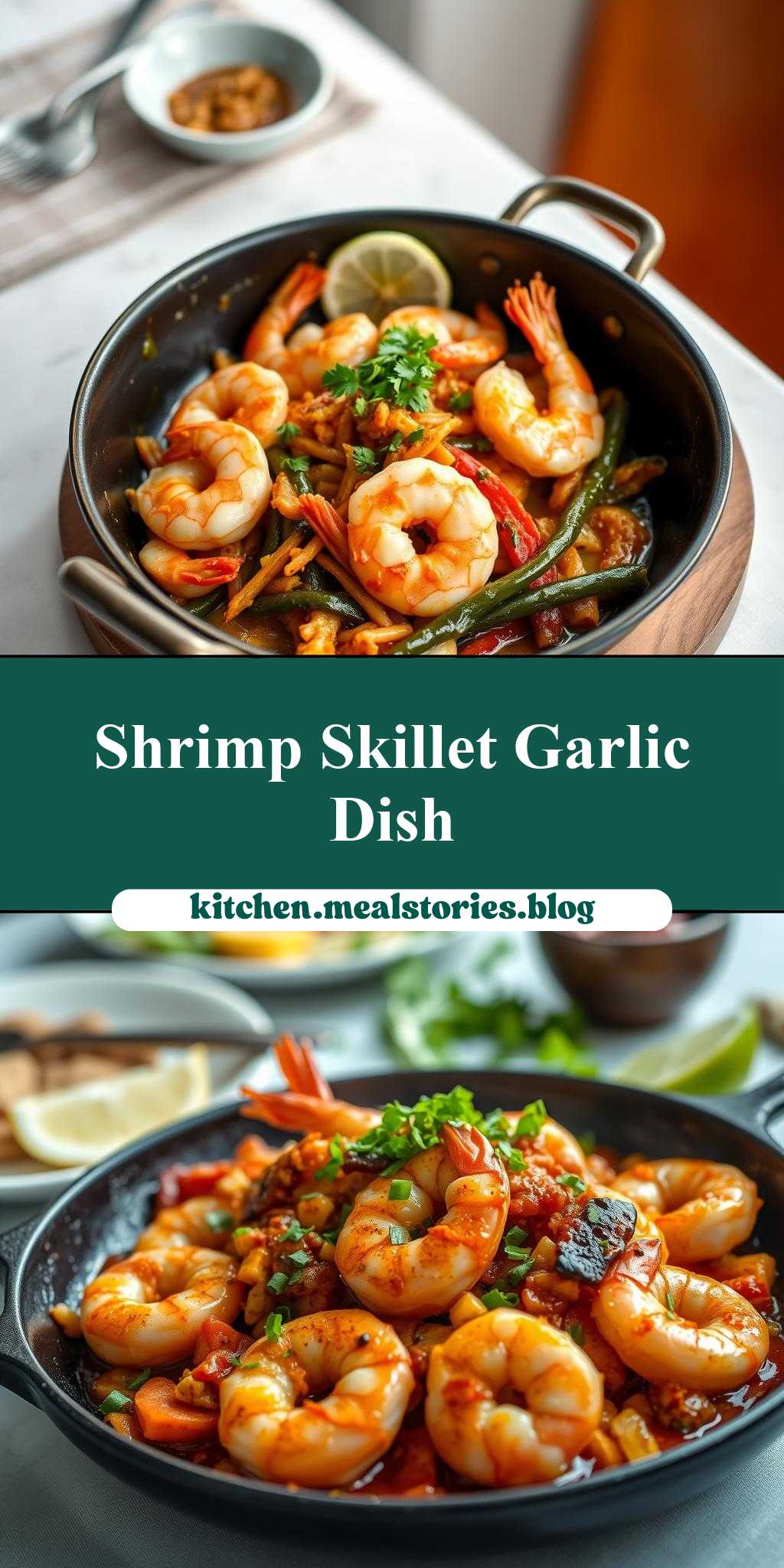
What makes a perfect weeknight dinner? A quick and easy shrimp saganaki recipe cooked to perfection in a skillet with garlic and feta cheese. This homemade family favorite is ready in no time, making it ideal for busy evenings. Save this idea for a delicious homemade meal to enjoy with your loved ones soon.
shrimp saganak recipe in a skillet on a table
Introduction
This shrimp saganaki recipe is a masterclass in simplicity and flavor, showcasing how everyday ingredients can be transformed into a stunning dish. Saganaki, a Greek method of cooking, typically involves ingredients being flamed or baked in a small skillet. In this recipe, we’re going to adapt the traditional saganaki to feature succulent shrimp, all cooked to perfection in a skillet right on your dining table, making for a fun, interactive dining experience. The combination of juicy shrimp, tangy feta, and the slight char from the skillet creates a dish that’s both impressive and easy to make, perfect for special occasions or a cozy night in.
Why This Works
- Flavor balance and ingredient accessibility: This recipe strikes a perfect balance between the richness of feta, the sweetness of tomatoes, and the savory flavor of shrimp, all using ingredients that are easily found in most supermarkets.
- Ease of preparation: The prep work is minimal, involving simple chopping and measuring, making it accessible to cooks of all levels.
- Impressive results with minimal effort: Despite its simplicity, the presentation and flavors of this dish are sure to impress, whether you’re cooking for yourself, friends, or family.
Key Ingredients
The main ingredients in this shrimp saganaki recipe include fresh shrimp, feta cheese, cherry tomatoes, garlic, and fresh parsley. For the shrimp, you can use either fresh or frozen, thawed shrimp, depending on what’s available. Feta cheese adds a salty, tangy flavor that complements the shrimp beautifully. Cherry tomatoes provide a burst of juicy sweetness, while garlic and parsley add depth and freshness to the dish. For a practical substitution, you could use other types of cheese like parmesan or goat cheese if feta is not available, though the flavor profile will be slightly different.
Instructions
- Step 1: Begin by prepping your ingredients. Rinse the shrimp and pat them dry, chop the garlic, halve the cherry tomatoes, and chop the fresh parsley. Crumbling the feta cheese into small pieces will help it melt more evenly.
- Step 2: Heat a couple of tablespoons of olive oil in a large skillet over medium heat. Add the chopped garlic and sauté for about a minute until fragrant, being careful not to burn it.
- Step 3: Add the shrimp to the skillet and cook for about 2-3 minutes per side, until they’re pink and fully cooked. Remove the shrimp from the skillet and set them aside on a plate. Then, add the cherry tomatoes to the skillet and cook for another 2-3 minutes, until they start to release their juices and soften.
- Step 4: To finish the dish, add the cooked shrimp back into the skillet with the tomatoes, sprinkle the crumbled feta cheese over the top, and cook for an additional minute, allowing the cheese to start melting. Season with salt, pepper, and a sprinkle of parsley. Serve immediately, straight from the skillet, and enjoy the ooohs and aahhs as you place it on the table.
Handy Tips
- For an extra burst of flavor, drizzle a bit of lemon juice over the dish before serving. The acidity will help cut through the richness of the feta and enhance the overall flavor.
- Consider using different colored cherry tomatoes for a more visually appealing dish. The mix of red, yellow, and orange will add to the presentation, making it perfect for a dinner party.
- Avoid overcooking the shrimp, as they can become tough and rubbery. Cook them until they just turn pink, then remove them from the heat.
Heat Control
Heat control is crucial in this recipe, especially when cooking the shrimp and melting the feta. You want to keep the heat at a medium level to ensure that the cheese melts slowly and the shrimp cook evenly without burning. If you notice the garlic starting to brown too quickly, reduce the heat to prevent burning. The ideal temperature for cooking the shrimp is around 145°F to 150°F (63°C to 66°C) for food safety.
Crunch Factor
The crunch factor in this dish comes from the fresh parsley and the slight char on the shrimp and tomatoes from the skillet. To achieve a nice char, make sure your skillet is hot before adding the shrimp and tomatoes, and don’t stir them too frequently, allowing them to develop a bit of color on each side. The textures combine beautifully, with the tender shrimp, soft cheese, crunchy parsley, and slightly caramelized tomatoes creating a dish that’s engaging to eat.
Pro Kitchen Tricks
- For easier cleanup, line your skillet with a bit of parchment paper before cooking. This trick is especially useful when cooking with cheese, as it can stick to the pan and be difficult to remove.
- Use high-quality ingredients, especially the feta cheese and shrimp, as they will greatly impact the flavor of your dish. Fresh and high-quality ingredients ensure the best taste and texture.
- Consider serving the saganaki with some crusty bread or over rice to soak up the flavorful juices from the tomatoes and cheese.
Storage Tips
- If you have leftovers, store them in an airtight container in the refrigerator. The dish is best consumed fresh, but it can be safely stored for up to a day.
- Reheat the dish gently over low heat, adding a bit of water or lemon juice if it seems too dry. Be careful not to overheat, as the cheese can separate and the shrimp can become tough.
- Freezing is not recommended for this dish, as the texture of the shrimp and the cheese can become unappetizing after thawing.
Gift Packaging Ideas
If you’re looking to share this dish as a gift, consider packaging the ingredients separately and including a recipe card. You could put the feta cheese, cherry tomatoes, garlic, and parsley in a basket, along with some crusty bread and a bottle of wine, for a complete gourmet gift. Alternatively, if you’re gifting the dish after it’s been cooked, wrap the skillet in a decorative towel and serve it straight from the oven, garnished with additional parsley and lemon wedges.
Flavor Variations
- Different spices: Add a pinch of smoked paprika or cumin to give the dish a smoky depth. You could also sprinkle some dried oregano for a more traditional Greek flavor.
- Creative toppings: Try adding some sliced olives, artichoke hearts, or sun-dried tomatoes to the skillet for added flavor and texture.
- Ingredient swaps: For a vegetarian version, swap the shrimp with sliced portobello mushrooms or eggplant, and adjust the cooking time accordingly.
Troubleshooting
- Texture problems: If your shrimp become tough, it’s likely due to overcooking. Try cooking them for less time or at a lower heat. For cheese that doesn’t melt well, ensure your skillet is hot enough before adding it.
- Ingredient replacements: If you can’t find feta, consider using goat cheese or parmesan as substitutes, though the flavor will be slightly different.
- Over/undercooking signs: Shrimp are done when they turn pink and are firm to the touch. Undercooked shrimp will be translucent and soft, while overcooked shrimp will be white and tough.
FAQs
- Can I freeze it? It’s not recommended to freeze this dish due to the texture changes in the shrimp and cheese after thawing.
- Is it gluten-free? Yes, this recipe is naturally gluten-free, making it a great option for those with gluten intolerance or sensitivity.
- Can I double the recipe? Absolutely, this recipe can be easily doubled or tripled for larger gatherings. Just ensure you have a large enough skillet to accommodate all the ingredients in a single layer.
Conclusion
This shrimp saganaki recipe is a versatile and delicious addition to any meal, whether it’s a dinner party or a simple weeknight dinner. With its combination of succulent shrimp, tangy feta, and sweet cherry tomatoes, all cooked to perfection in a skillet, it’s sure to become a favorite. Don’t be afraid to experiment with different ingredients and spices to make the dish your own, and enjoy the process of cooking and sharing a meal with loved ones. Happy cooking!