
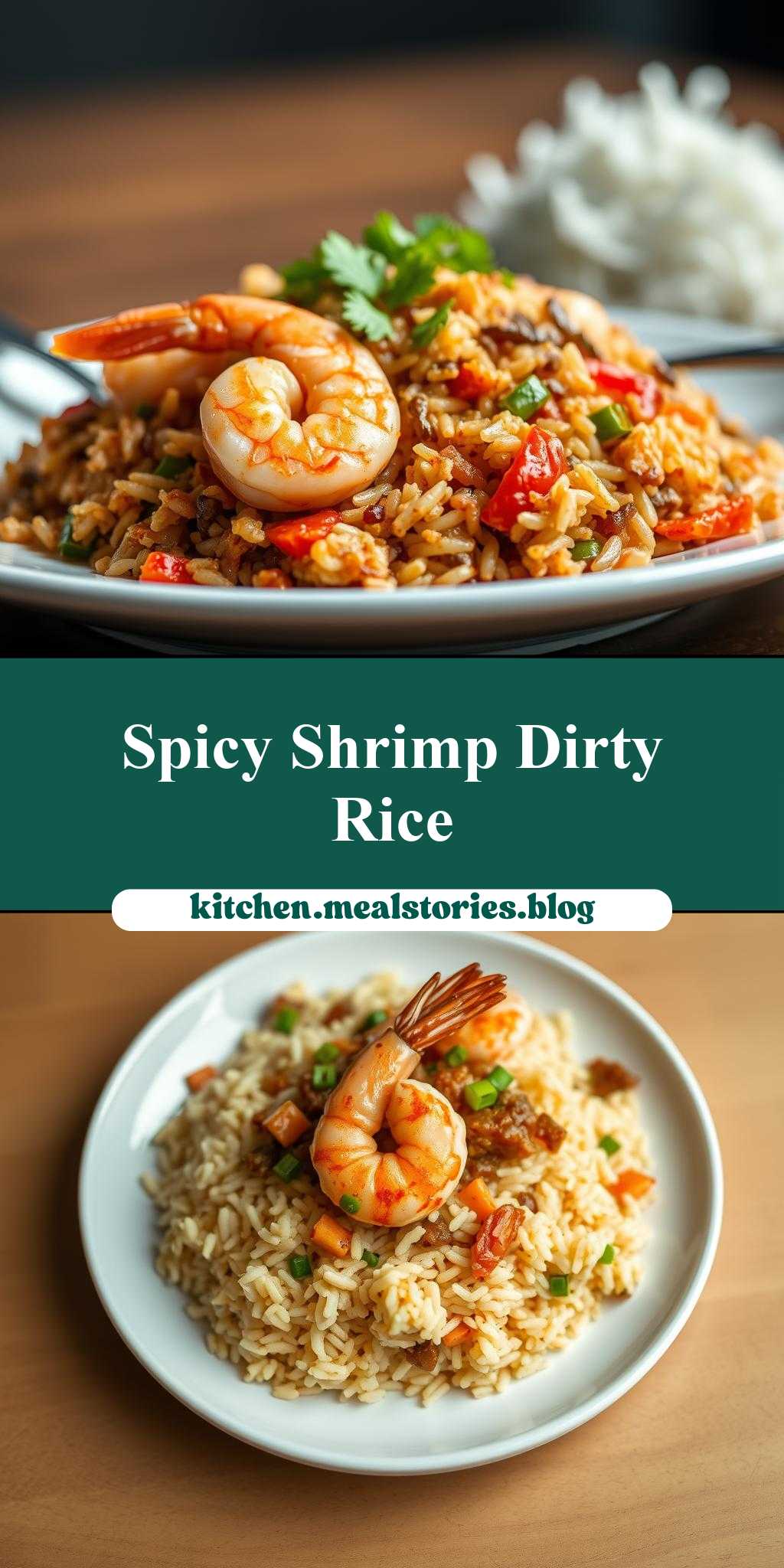
What makes a classic Southern dish truly unforgettable? For me, it’s the combination of succulent shrimp and savory spices in a homemade dirty rice recipe. This easy weeknight dinner staple is made with simple ingredients like plump shrimp and flavorful sausage, all cooked to perfection. Save this idea for a quick and delicious family favorite meal that’s sure to become a regular on your menu, try it soon.
Shrimp Dirty Rice
Introduction
Imagine a dish that’s as flavorful as it is easy to make, using ingredients you likely have on hand. Shrimp Dirty Rice is a creative twist on traditional dirty rice, incorporating succulent shrimp into a savory mix of spices, herbs, and rice. This recipe is perfect for those looking to elevate their meal game without sacrificing simplicity. With its rich, slightly spicy flavor and the pop of seafood, Shrimp Dirty Rice is sure to become a staple in your kitchen. It’s a dish that’s both impressive and accessible, making it ideal for weeknight dinners or special occasions.
Why This Works
- Flavor balance and ingredient accessibility: The combination of shrimp, spices, and herbs creates a balanced flavor profile that’s both comforting and exciting. Most ingredients are readily available in your local grocery store, making this dish highly accessible.
- Ease of preparation: Despite its impressive flavor, Shrimp Dirty Rice is surprisingly easy to prepare. The steps are straightforward, and the dish can be ready in under an hour, perfect for busy schedules.
- Impressive results with minimal effort: The dish looks and tastes like it requires much more effort than it actually does, making it a great choice for entertaining guests or a special meal for the family.
Key Ingredients
The main ingredients in Shrimp Dirty Rice include uncooked white or brown rice, fresh or frozen shrimp, ground sausage (such as Andouille for a spicy kick), onion, bell pepper, garlic, chicken broth, and a blend of spices like paprika, thyme, and cayenne pepper. For practical substitutions, you can use different types of sausage or omit the cayenne pepper for a milder flavor. Fresh shrimp can be substituted with frozen, thawed shrimp, and chicken broth can be replaced with vegetable broth for a vegetarian version, though you’d need to adjust the protein source accordingly.
Instructions
- Step 1: Begin by preparing your ingredients. Chop the onion and bell pepper into small pieces, mince the garlic, and slice the sausage. If using frozen shrimp, ensure they are thawed and drained.
- Step 2: Cook the sausage in a large skillet over medium-high heat, breaking it apart as it cooks, until it’s browned. Remove the cooked sausage from the skillet with a slotted spoon and set it aside. In the same skillet, add a bit more oil if necessary, then add the chopped onion and bell pepper. Cook until they are tender, then add the minced garlic and cook for another minute, stirring constantly to prevent burning.
- Step 3: Add the shrimp to the skillet and cook until they turn pink and are fully cooked. Remove the shrimp from the skillet and set them aside with the sausage. In the same skillet, add the chicken broth, spices, and uncooked rice. Stir well, bringing the mixture to a boil, then reduce the heat to low, cover, and simmer until the rice is cooked and the liquid is absorbed.
- Step 4: Once the rice is cooked, fluff it with a fork and stir in the cooked sausage and shrimp. Season with salt and pepper to taste. Serve hot, garnished with chopped scallions or parsley if desired.
Handy Tips
- Use high-quality ingredients: While it’s tempting to save money on ingredients, using fresh, high-quality components will significantly impact the flavor and texture of your Shrimp Dirty Rice.
- Avoid overcooking the shrimp: Shrimp cook quickly and can become tough if overcooked. Remove them from the heat as soon as they turn pink and are fully cooked.
- Don’t skip the resting time: After cooking the rice, let it rest for a few minutes before fluffing it with a fork. This helps the rice to steam and become fluffy.
Heat Control
Heat control is crucial in cooking Shrimp Dirty Rice. When cooking the sausage and shrimp, use medium-high heat to achieve a good sear, but reduce the heat when cooking the rice to prevent burning. Ideally, the heat should be low when simmering the rice, covered, to ensure the liquid absorbs evenly and the rice cooks thoroughly. The dish is done when the liquid is absorbed, and the rice is tender.
Crunch Factor
The crunch factor in Shrimp Dirty Rice comes from the sautéed vegetables and the texture of the cooked rice. To achieve the right texture, ensure that the rice is cooked until it’s tender but still retains a bit of firmness. Overcooking can make the rice mushy. Additionally, not overcooking the vegetables helps maintain their crunch, adding a pleasant texture contrast to the dish.
Pro Kitchen Tricks
- Prep ahead: Chopping the vegetables and measuring out the spices ahead of time can save you a lot of stress during cooking.
- Use the right pan: A large skillet with a heavy bottom is ideal for cooking Shrimp Dirty Rice, as it distributes heat evenly and can accommodate all the ingredients.
- Clean as you go: Cleaning up as you cook can make the overall process much more enjoyable and reduce the amount of work after the meal is prepared.
Storage Tips
- Leftover storage: Cool the Shrimp Dirty Rice to room temperature, then refrigerate it in an airtight container. It can be stored in the fridge for up to 3 days.
- Reheating tips: Reheat the dish in the microwave or on the stovetop, adding a bit of water if it seems dry. Stir frequently to prevent burning.
- Shelf life: Cooked Shrimp Dirty Rice can be frozen for up to 2 months. When freezing, portion the dish into airtight, freezer-safe containers or bags and label them with the date.
Gift Packaging Ideas
While Shrimp Dirty Rice is typically served hot and fresh, it can be packaged in decorative containers or jars for gifting, especially if you’re sharing the uncooked mix as a gift. Consider packaging the dry ingredients (rice, spices) in a decorative jar, along with a recipe card and any wet ingredients (such as sausage or shrimp) separately, with instructions on how to cook. This makes for a unique and thoughtful gift for foodies or those who enjoy cooking.
Flavor Variations
- Different spices: Experiment with various spice blends, such as adding more cayenne for heat or using smoked paprika for a smoky flavor.
- Creative toppings: Add some diced tomatoes, chopped hard-boiled eggs, or a sprinkle of grated cheese to give the dish an extra layer of flavor and texture.
- Ingredient swaps: Use chicken or tofu for a different protein source, or substitute the sausage with bacon or ham for a different flavor profile.
Troubleshooting
- Texture problems: If the rice is mushy, it was overcooked. If it’s too dry, you can try adding a bit more broth or water and reheating.
- Ingredient replacements: If you can’t find Andouille sausage, you can use another spicy sausage or add red pepper flakes to your dish for heat.
- Over/undercooking signs: Shrimp should be pink and fully cooked. Rice should be tender but not mushy. If the dish is too dry, it may have been overcooked or not enough liquid was used.
FAQs
- Can I freeze it? Yes, cooked Shrimp Dirty Rice can be frozen for up to 2 months. It’s best to freeze it in airtight, freezer-safe containers or bags.
- Is it gluten-free? This recipe is gluten-free, but ensure that the sausage and broth used are gluten-free to maintain the dietary integrity.
- Can I double the recipe? Yes, you can easily double or triple the recipe for larger groups. Just ensure you have a large enough skillet and adjust the cooking time slightly for the increased volume.
Conclusion
Shrimp Dirty Rice is a versatile and flavorful dish that combines the best of seafood and spicy sausage with the comfort of a warm, well-cooked rice bowl. It’s perfect for those who love a little heat in their meals and are looking for a recipe that’s both easy to make and impressive to serve. Feel free to experiment with the ingredients and spices to make the dish your own, and don’t hesitate to reach out if you have any questions or need further substitutions or variations. Happy cooking!