
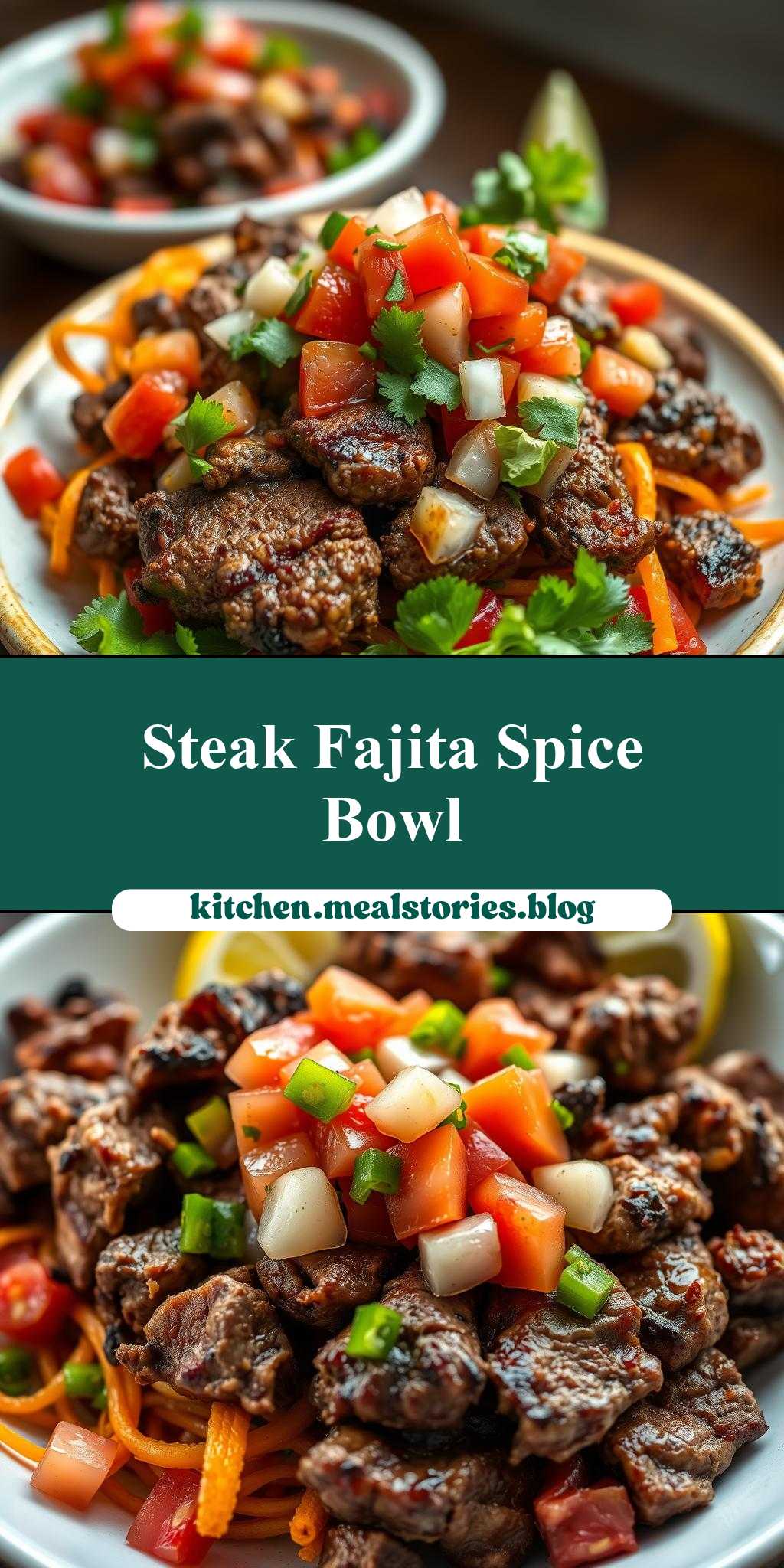
What makes the perfect weeknight dinner? For me, it’s a quick and easy homemade meal like steak fajita bowls, loaded with tender grilled steak and fresh pico de gallo. The sizzling skillet method brings out the best flavors in this family favorite dish. Save this idea for a delicious and easy meal solution.
Steak Fajita Bowls with Pico de Gallo
Introduction
Imagine a dish that embodies the vibrant flavors of Mexico, with the tender juiciness of steak, the crunch of fresh vegetables, and the burst of citrus and spice from a homemade pico de gallo. Steak Fajita Bowls with Pico de Gallo are not just a meal; they’re an experience. This recipe is designed to be accessible, using everyday ingredients in a creative way that will impress your family and friends. The best part? It’s incredibly easy to make, requiring minimal effort for maximum flavor and visual appeal. Whether you’re a seasoned chef or a beginner in the kitchen, this dish is sure to become a favorite.
Why This Works
- Flavor balance and ingredient accessibility: The combination of grilled steak, sautéed onions and bell peppers, and the freshness of pico de gallo creates a perfect harmony of flavors. Plus, all the ingredients are readily available in most supermarkets.
- Ease of preparation: Despite its impressive presentation, this dish is surprisingly simple to prepare. It requires basic cooking techniques like grilling and sautéing, making it manageable for cooks of all levels.
- Impressive results with minimal effort: The key to this recipe’s success lies in its layering of flavors and textures. By focusing on a few high-quality ingredients and simple preparation methods, you can achieve restaurant-quality results in the comfort of your own home.
Key Ingredients
The foundation of Steak Fajita Bowls with Pico de Gallo includes a few essential ingredients. For the steak, a flank steak or skirt steak works best due to its robust flavor and tender texture when cooked correctly. For the fajita vegetables, bell peppers and onions are traditional choices, offering a sweet and savory contrast to the richness of the steak. Pico de gallo, made with diced tomatoes, onions, jalapeños, cilantro, and lime juice, adds a fresh and spicy kick. Practical substitutions can include using different types of peppers for varied heat levels or substituting the steak with chicken or tofu for a vegetarian option.
Instructions
- Step 1: Begin by preparing your ingredients. Slice the steak into thin strips and season with fajita seasoning. Chop the onions and bell peppers into slices. For the pico de gallo, dice the tomatoes, onions, jalapeños, and cilantro, and mix with lime juice.
- Step 2: Cook the steak in a hot skillet with a small amount of oil until it reaches your desired level of doneness. Remove the steak from the skillet and set it aside. In the same skillet, add a bit more oil if necessary, then sauté the sliced onions and bell peppers until they are tender and lightly charred.
- Step 3: Layer the flavors and textures in a bowl. Start with a base of your choice (rice, salad, or roasted vegetables), then add the sautéed onions and bell peppers, followed by slices of the grilled steak. Top with a generous spoonful of pico de gallo.
- Step 4: Final touches include adding any additional toppings you like, such as sour cream, shredded cheese, diced avocado, or cilantro. Serve immediately and enjoy the vibrant colors and flavors of your Steak Fajita Bowls with Pico de Gallo.
Handy Tips
- For the best results, make sure your skillet is very hot before! This will give your steak and vegetables a nice sear. Also, don’t overcrowd the skillet; cook in batches if necessary, to ensure everything cooks evenly.
Heat Control
Heat control is crucial, especially when cooking the steak and sautéing the vegetables. For steak, medium-high heat is ideal for achieving a nice sear. Cook the steak for about 3-5 minutes per side for medium-rare, depending on the thickness of the steak. For the vegetables, medium heat is preferable to prevent burning while still achieving tenderness.
Crunch Factor
The crunch factor in this dish comes from the fresh vegetables in the pico de gallo and the slight char on the sautéed onions and bell peppers. To maintain this crunch, it’s essential not to overcook the vegetables. They should still have a bit of firmness when bitten into. Additionally, preparing the pico de gallo just before serving ensures the ingredients remain fresh and crunchy.
Pro Kitchen Tricks
- One expert tip is to let the steak rest for a few minutes before slicing it against the grain. This helps retain the juices and tenderness of the steak. Also, using cast-iron skillets can enhance the sear on the steak and vegetables due to their excellent heat retention.
Storage Tips
- For leftovers, store the steak, sautéed vegetables, and pico de gallo separately in airtight containers in the refrigerator. This prevents the flavors and textures from mingling in an undesirable way. Reheat the steak and vegetables gently before serving, and give the pico de gallo a good stir. These components can be stored for up to 2 days.
Gift Packaging Ideas
While Steak Fajita Bowls with Pico de Gallo are best enjoyed fresh, components of the dish can be gifted. For example, a jar of homemade pico de gallo, decorated with a ribbon and a gift tag, can be a thoughtful and edible gift. Simply layer the pico de gallo ingredients in a decorative jar, seal it, and attach a card with serving suggestions.
Flavor Variations
- Different spices: Experiment with various fajita seasonings or add a sprinkle of cumin and chili powder for an extra depth of flavor.
- Creative toppings: Consider adding diced mango or pineapple for a sweet contrast, or crumbled queso fresco for a salty, creamy element.
- Ingredient swaps: Substitute the steak with grilled shrimp or chicken for a different protein, or use different colored bell peppers for varied sweetness and crunch.
Troubleshooting
- Texture problems: If the steak becomes too tough, it may be overcooked. Try cooking it for less time or using a meat tenderizer. For soggy vegetables, reduce the cooking time or increase the heat slightly.
- Ingredient replacements: If an ingredient is not available, look for similar alternatives. For example, if you can’t find flank steak, skirt steak or even chicken breast can be used as substitutes.
- Over/undercooking signs: Ensure the steak is cooked to your desired doneness by checking its internal temperature (130°F – 135°F for medium-rare). Vegetables are done when they are tender but still crisp.
FAQs
- Can I freeze it? Yes, components of the dish can be frozen. The cooked steak and sautéed vegetables can be frozen for up to 3 months. However, it’s best to make the pico de gallo fresh.
- Is it gluten-free? Yes, this recipe is naturally gluten-free, making it a great option for those with gluten intolerance or sensitivity.
- Can I double the recipe? Absolutely, this recipe can be easily doubled or tripled for larger gatherings. Just ensure you have enough skillets or cook in batches to prevent overcrowding.
Conclusion
Steak Fajita Bowls with Pico de Gallo are a testament to the simplicity and elegance of Mexican cuisine. With its balanced flavors, vibrant colors, and ease of preparation, this dish is perfect for any occasion. Feel free to experiment with different ingredients and toppings to make it your own, and don’t hesitate to share your creations with friends and family. The joy of cooking lies not just in the eating, but in the sharing and the love that goes into every dish. So go ahead, get creative, and enjoy the delicious journey of culinary exploration.