
What’s your go-to pairing for a jar of homemade jelly? I swear by toasted peanut butter sandwiches, made with freshly ground peanuts and a dollop of grape or strawberry jelly for a quick and easy snack. Save this idea for a simple weeknight dinner solution that’s a family favorite, perfect for using up a jar of homemade jelly. Try it soon
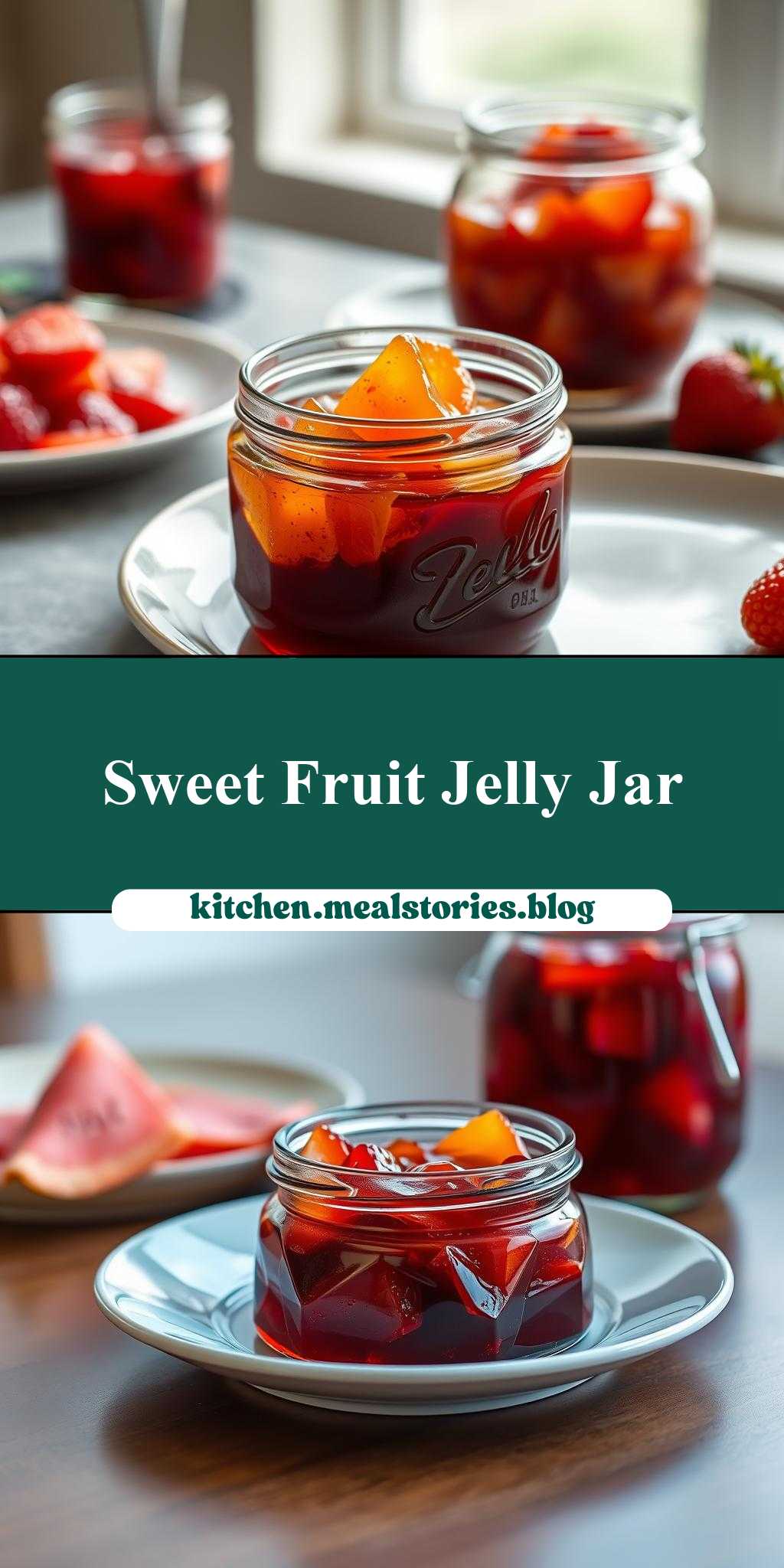
there is a jar full of jelly on the table next to another jar filled with jelly
Introduction
Imagine a delightful scene where two jars of jelly sit side by side on a table, each one filled to the brim with a delicious, flavorful jelly. This simple yet intriguing setup sparks the imagination and invites creativity in the kitchen. The ease of having these jars on hand, the variety of flavors they can add to numerous dishes, and the endless possibilities for combining them in new and exciting ways make them a treasure for any home cook or baker. In this article, we’ll explore the world of jelly, from why having multiple jars is a great idea to how you can use them in a plethora of recipes, and finally, to a unique recipe that brings these two jars of jelly together in a harmonious culinary creation.
Why This Works
- Flavor balance and ingredient accessibility: Having two jars of jelly, potentially of different flavors, allows for a wide range of flavor combinations and pairings, making it easy to balance and enhance the taste of various dishes.
- Ease of preparation: Jellies are already prepared, so incorporating them into recipes is incredibly straightforward, requiring minimal additional effort.
- Impressive results with minimal effort: The versatility of jelly means it can be used in both simple and complex recipes, from topping toast or using as a filling, to being a key ingredient in sauces or marinades, all with impressive results.
Key Ingredients
The main ingredients for our featured recipe are the two jars of jelly. For the purpose of this exercise, let’s consider one jar to be filled with a classic grape jelly and the other with a spicy pepper jelly. Other essential ingredients include crackers or bread for serving, and optional ingredients like cream cheese or meats for added flavor and texture. Practical substitutions could include using different types of jelly, such as apricot or mint, depending on personal taste preferences or the desired flavor profile of the dish.
Instructions
- Step 1: Begin by preparing your serving platter or individual plates. Lay out crackers or slices of bread in a pattern that leaves space for the jelly.
- Step 2: Open both jars of jelly. If using, spread a layer of cream cheese on the crackers or bread to act as a base and help the jelly adhere.
- Step 3: Place small dollops of each jelly type onto the prepared crackers or bread. You can create a pattern with the jellies or simply place them side by side for a colorful and inviting presentation.
- Step 4: Add any additional toppings or sides, such as sliced meats, cheeses, or fresh fruits, to enhance the flavor and texture of your jelly arrangement.
Handy Tips
- When choosing jellies, consider the flavor profiles you want to achieve. Sweet jellies like grape or strawberry can be paired with savory elements, while spicy jellies can add a kick to dishes.
- Experiment with different types of crackers or bread. Some, like water crackers or baguette slices, provide a neutral background for the jelly, while others, like wheat thins or crostini, can add additional flavor.
- Avoid overloading the crackers or bread with too much jelly, as this can make the dish overly sweet and messy. Balance is key to enjoying the flavors and textures.
Heat Control
This recipe does not require any heat, making it perfect for a quick, no-cook snack or appetizer. However, if you’re incorporating the jelly into a cooked dish, such as using it as a glaze for meats or cheeses, ensure you heat it gently to prevent burning or caramelizing the jelly too quickly.
Crunch Factor
The crunch in this dish comes from the crackers or bread used as the base. For added crunch, consider topping the jelly with chopped nuts, seeds, or even crispy, crumbled bacon. The texture contrast between smooth jelly and crunchy toppings enhances the overall eating experience.
Pro Kitchen Tricks
- For a more elegant presentation, use a piping bag or a plastic bag with a corner cut off to dollop the jelly onto the crackers or bread in neat, rounded shapes.
- Keep your jellies at room temperature for easier spreading, but store them in the refrigerator when not in use to prolong their shelf life.
- Consider making your own jelly from scratch for unique flavors and control over the ingredients. This can be a fun and rewarding kitchen project.
Storage Tips
- Leftover jelly arrangements can be stored in the refrigerator for up to a day. Cover the dish with plastic wrap or aluminum foil to keep it fresh.
- Reheating is not necessary for this dish, but if you’ve used the jelly in a cooked recipe, follow the specific reheating instructions for that dish.
- The shelf life of jelly is generally long, but once opened, it’s best to consume it within a few months for optimal flavor and texture. Store jars in the refrigerator after opening.
Gift Packaging Ideas
If you’re giving the jars of jelly as a gift, consider packaging them in a decorative basket with some crackers, bread, or even a block of cheese for a complete snack set. Add a ribbon around the basket and include a card with serving suggestions or a simple recipe for a personal touch.
Flavor Variations
- Different spices: Add a pinch of cinnamon, nutmeg, or cayenne pepper to the jelly for an extra depth of flavor.
- Creative toppings: Use fresh fruits, such as sliced strawberries or blueberries, or dried fruits like cranberries for added sweetness and texture.
- Ingredient swaps: Replace traditional crackers with cookies, such as biscotti or shortbread, for a sweeter base, or use different types of cheese for a varied flavor profile.
Troubleshooting
- Texture problems: If the jelly becomes too runny, refrigerate it for about 30 minutes to firm it up. If it’s too firm, let it sit at room temperature for a bit to soften.
- Ingredient replacements: If you don’t have cream cheese, consider using another soft cheese like brie or goat cheese as a substitute.
- Over/undercooking signs: Since this recipe doesn’t involve cooking, focus on the presentation and freshness of the ingredients. Ensure the jelly is not too old and the crackers or bread are not stale.
FAQs
- Can I freeze it? Yes, jelly can be frozen, but it’s best to freeze it in small portions to maintain its texture and flavor. However, for this specific recipe, freezing is not recommended as it involves assembled snacks.
- Is it gluten-free? This depends on the type of crackers or bread used. Choose gluten-free options to make the dish accessible to those with gluten intolerance.
- Can I double the recipe? Absolutely, this recipe is easily scalable. Simply increase the amount of jelly, crackers, and any additional toppings accordingly.
Conclusion
In conclusion, having two jars of jelly on the table next to each other is not just a quirky setup; it’s an invitation to explore the world of flavors and textures that jelly can bring to your culinary creations. Whether you’re making a simple snack, a complex sauce, or something entirely new, the versatility of jelly ensures that you’ll always have a delicious and impressive dish at your fingertips. So, don’t hesitate to experiment, combine flavors, and most importantly, enjoy the process of cooking and sharing meals with others.