
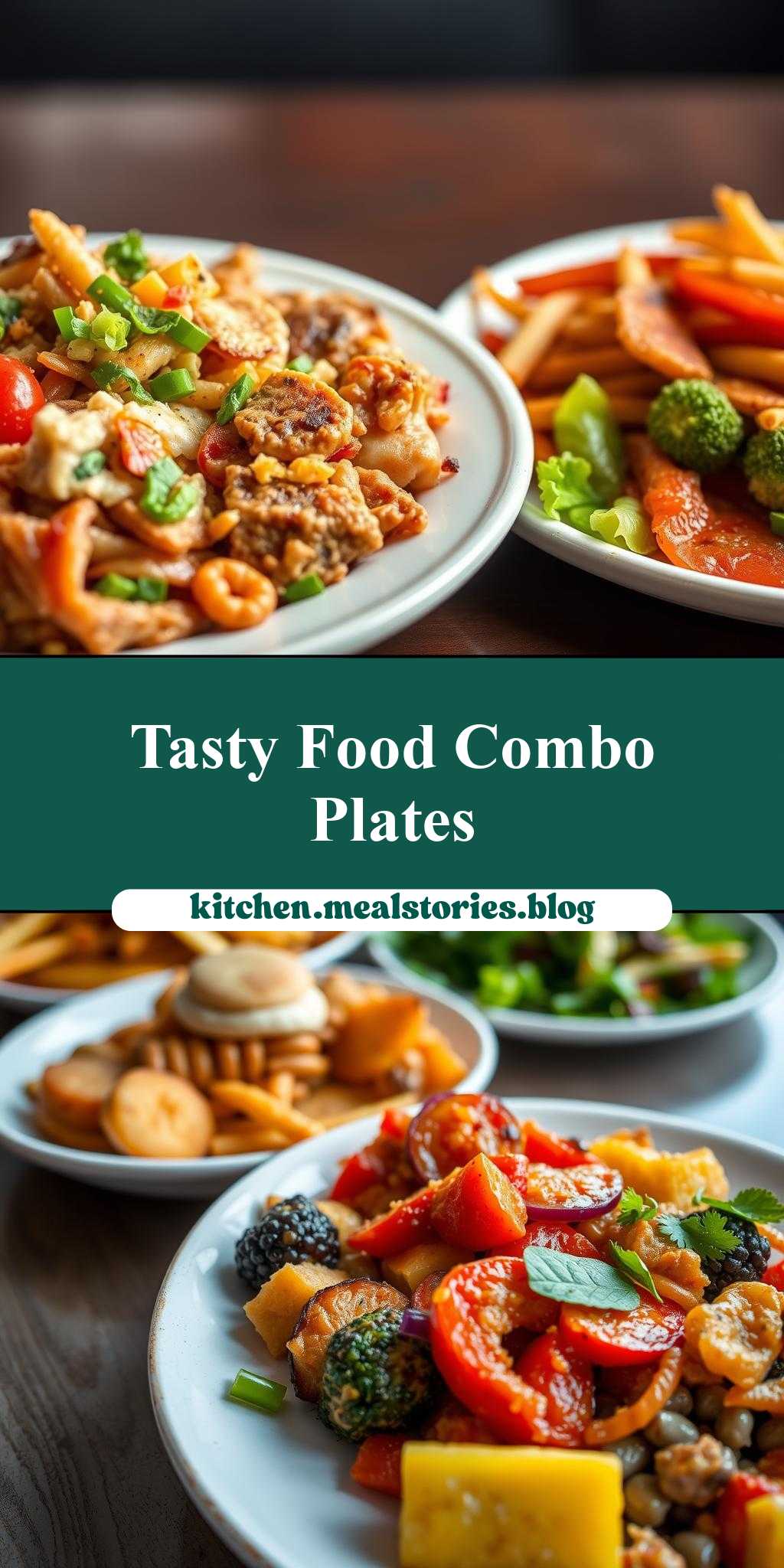
What’s the secret to a satisfying meal? A variety of flavors and textures, of course. This quick and easy homemade spread features roasted vegetables, grilled chicken, and savory rice, all perfect for a weeknight dinner. Save this idea for a family favorite dinner solution that’s sure to please everyone.
two plates filled with different types of food
Introduction
Imagine the delight of presenting two plates filled with a variety of dishes, each one a masterpiece of flavor and texture, carefully crafted to please both the eye and the palate. This concept is not just about filling plates with different foods; it’s about creating a culinary experience that showcases your creativity and attention to detail. The best part? It’s easier than you think. By using everyday ingredients and a few clever techniques, you can create a spread that’s both impressive and delicious. Whether you’re looking to wow your family, impress your friends, or simply treat yourself to something special, this guide will walk you through the process of preparing two plates filled with different types of food, highlighting the ease, flavor, and creativity that can be achieved with a little bit of planning and imagination.
Why This Works
- Flavor balance and ingredient accessibility: The key to a successful dish is finding the right balance of flavors and using ingredients that are readily available. This approach ensures that your dishes are not only delicious but also practical to make.
- Ease of preparation: One of the most appealing aspects of this concept is how easy it is to prepare. With a focus on simplicity and using ingredients that are likely already in your pantry, you can create stunning dishes without spending hours in the kitchen.
- Impressive results with minimal effort: The combination of accessible ingredients, straightforward preparation methods, and a touch of creativity leads to results that are nothing short of impressive. Your guests will be amazed by the variety and quality of the dishes, all achieved with minimal fuss.
Key Ingredients
To fill two plates with different types of food, you’ll want to focus on a variety of ingredients that offer contrasting textures and flavors. Consider starting with a protein like chicken or tofu, which can be seasoned and cooked in numerous ways. Accompany this with a selection of vegetables such as bell peppers, carrots, and broccoli, which add natural sweetness and crunch. Grains like quinoa or brown rice provide a nutritious base, while cheeses, nuts, and seeds offer richness and depth. Don’t forget about the power of herbs and spices, which can dramatically change the flavor profile of each dish. Practical substitutions can be made based on dietary preferences and ingredient availability, ensuring that everyone can enjoy the meal.
Instructions
- Step 1: Begin by preparing your ingredients. This includes chopping vegetables, marinating proteins, and cooking grains. The prep work is crucial as it sets the stage for efficient and stress-free cooking.
- Step 2: Cook or mix the base ingredients according to your recipes. This could involve grilling the chicken, roasting the vegetables, and seasoning the quinoa. Each component should be cooked to perfection, considering the texture and flavor you aim to achieve.
- Step 3: Layer flavors or textures. This step involves combining your cooked ingredients in a way that creates interesting contrasts. For example, pairing crunchy vegetables with soft grains or spicy sauces with mild proteins.
- Step 4: Final touches and plating. The presentation of your dishes is just as important as the taste. Arrange your foods in a visually appealing way, considering color, texture, and portion size. Add any final garnishes or sauces to enhance the flavor and appearance.
Handy Tips
- One of the most helpful kitchen advice for this project is to plan ahead. Make a list of the dishes you want to prepare and the ingredients you need, then shop and prep accordingly. This will save you time and reduce stress in the kitchen.
- Be mindful of allergies and dietary restrictions when choosing your ingredients. Offering options that are gluten-free, vegan, or nut-free can make your spread more inclusive.
- Avoid overcomplicating your dishes. Sometimes, simplicity is the best policy, allowing each ingredient to shine in its own right.
Heat Control
If your recipes involve cooking, understanding heat control is crucial. Different ingredients have ideal cooking temperatures and times. For example, chicken should be cooked to an internal temperature of 165°F (74°C) to ensure food safety, while vegetables might be roasted at 425°F (220°C) for a caramelized exterior and a tender interior. Keep an eye on your dishes as they cook, looking for signs of doneness such as color change, texture, and the absence of pinkness in meats.
Crunch Factor
Achieving the right texture, whether it’s crisp, crunchy, tender, or soft, can elevate your dishes significantly. For crunch, consider adding nuts, seeds, or crispy fried elements. Tender textures can be achieved through slow cooking methods like braising or stewing. The key is to balance textures within each dish and across the plates to keep the meal interesting.
Pro Kitchen Tricks
- Use a ‘mise en place’ approach, where all ingredients are prepared and ready to go before starting to cook. This organized method can save time and reduce mistakes.
- Invest in a few versatile sauces or seasonings that can be used across multiple dishes, adding depth without extra effort.
- For cleanup hacks, prep ingredients in bowls that can be easily stacked and washed, and use parchment paper or silicone mats for effortless food release and cleaning.
Storage Tips
- For leftovers, store each component in separate, airtight containers to maintain freshness and prevent moisture from affecting texture.
- Reheating should be done gently to avoid drying out the food. Using a microwave with a cover or reheating on the stovetop with a little liquid can help retain moisture.
- The shelf life of your dishes will depend on the ingredients and storage methods. Generally, cooked foods can be safely stored in the refrigerator for 3 to 4 days.
Gift Packaging Ideas
If you’re considering gifting your culinary creations, presentation is everything. Use decorative jars for sauces, cheeses, or spreads, and wrap foods like breads, meats, or chocolates in attractive papers or bags. Adding a ribbon or a handwritten note can make the gift even more special. For a more rustic appeal, consider wooden crates or baskets filled with an assortment of goodies.
Flavor Variations
- Different spices can completely change the flavor profile of a dish. Experiment with international spice blends like curry powder for an Indian flair or cumin for a Mexican taste.
- Creative toppings can add a fresh dimension to your dishes. Consider using fresh herbs, edible flowers, or microgreens for a pop of color and flavor.
- Ingredient swaps are a great way to reinvent a dish. Substitute meats with plant-based alternatives, or switch from one type of grain to another to create new versions of your favorite recipes.
Troubleshooting
- Texture problems can often be solved by adjusting cooking times or methods. For example, undercooked vegetables can be quickly sautéed to tenderize them.
- Ingredient replacements should be done thoughtfully, considering the flavor and texture the original ingredient provides. Online substitution guides can be a valuable resource.
- Over or undercooking can be identified by paying attention to the dish’s appearance, smell, and taste. Adjust your cooking time or temperature as needed to achieve the perfect doneness.
FAQs
- Can I freeze it? Yes, many components of your dishes can be frozen, such as cooked proteins, vegetables, and grains. However, it’s best to freeze them in their raw or partially cooked state for the best results.
- Is it gluten-free? Depending on the ingredients you choose, your dishes can be gluten-free. Be sure to select gluten-free grains and check the ingredients of any store-bought items like sauces or seasonings.
- Can I double the recipe? Absolutely, doubling a recipe is a straightforward process. Just keep in mind that cooking times may be longer for larger quantities, so adjust accordingly.
Conclusion
Creating two plates filled with different types of food is a fun and rewarding culinary project that allows you to express your creativity and showcase your cooking skills. With a little planning, the right ingredients, and some clever techniques, you can achieve impressive and delicious results. Don’t be afraid to experiment and make the dishes your own, and remember, the joy of cooking is in the process as much as the end result. Share your creations with loved ones, and enjoy the satisfaction of a meal well-made.