
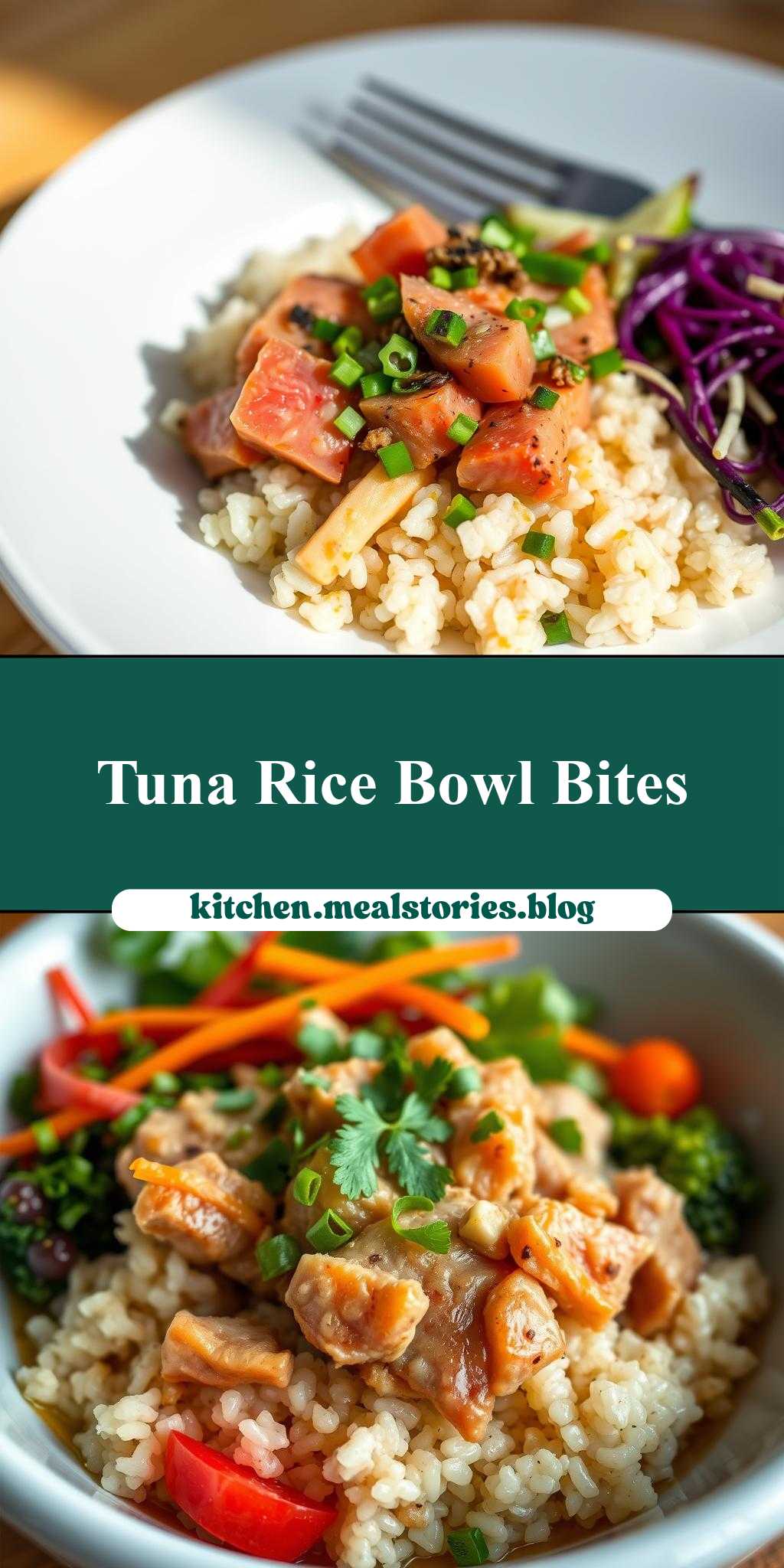
What makes a perfect weeknight dinner? A simple tuna rice bowl recipe that’s quick to make and packed with fresh flavors, especially when you add some seared tuna and steamed vegetables to a bed of homemade rice. This easy family favorite is a great way to get a healthy meal on the table fast, try making it soon and save this idea for your next homemade dinner inspiration.
Tuna Rice Bowl Recipe
Introduction
Welcome to the world of effortless yet delectable meals with our Tuna Rice Bowl Recipe. This dish stands out for its simplicity, using everyday ingredients to create a flavor profile that is both refreshing and satisfying. The beauty of this recipe lies in its balance of protein, healthy fats, and complex carbohydrates, making it a perfect meal for any time of the day. Whether you’re a busy professional looking for a quick lunch or a parent seeking a healthy dinner option for your family, this tuna rice bowl is sure to become a favorite. The best part? It’s incredibly easy to make and allows for a plethora of creative twists, ensuring that your meals never become mundane.
Why This Works
- Flavor balance and ingredient accessibility: The combination of tuna, rice, and various toppings provides a well-rounded flavor profile that is easy to achieve with commonly found ingredients.
- Ease of preparation: This recipe requires minimal cooking and preparation time, making it perfect for those with busy schedules.
- Impressive results with minimal effort: Despite its simplicity, the presentation and taste of the tuna rice bowl are impressive, making it suitable for both everyday meals and special occasions.
Key Ingredients
The main ingredients in this recipe include sushi-grade tuna, Japanese short-grain rice, soy sauce, sesame oil, and various toppings such as diced avocado, sliced green onions, and sesame seeds. For the tuna, you can use canned tuna as a substitute if fresh sushi-grade tuna is not available. The Japanese short-grain rice can be replaced with other types of rice, but it’s recommended for its sticky texture that holds the dish together. Feel free to get creative with your toppings, using anything from pickled ginger to grilled vegetables, to suit your taste preferences.
Instructions
- Step 1: Begin by preparing your ingredients. Cook the Japanese short-grain rice according to the package instructions. While the rice is cooking, slice the green onions, dice the avocado, and prepare any other toppings you’ve chosen.
- Step 2: If using fresh tuna, slice it into thin pieces. If using canned tuna, drain the liquid and flake the tuna into a bowl. Mix the tuna with soy sauce and sesame oil to give it a rich, umami flavor.
- Step 3: Once the rice is cooked, allow it to cool slightly. This step is crucial as it helps prevent the rice from becoming mushy when mixed with the tuna and toppings. In a large bowl, combine the cooked rice, tuna mixture, and your chosen toppings. Gently mix everything together, being careful not to mash the rice or break up the tuna too much.
- Step 4: For the final touches, sprinkle sesame seeds over the top of the rice bowl and add a drizzle of additional soy sauce or sesame oil if desired. Serve immediately and enjoy the harmony of flavors and textures in each bite.
Handy Tips
- Always use sushi-grade tuna for the best flavor and to ensure food safety. If you’re using canned tuna, look for brands that are low in mercury and rich in protein.
- Experiment with different seasonings and marinades for the tuna to give your dish a unique twist. For example, a bit of wasabi or sriracha can add a spicy kick.
- Don’t overmix the rice and tuna. This can make the dish dense and unappetizing. Instead, aim for a light, fluffy texture that’s pleasing to the palate.
Heat Control
When cooking the rice, it’s essential to use the right amount of water and to not overcook it. The ideal rice should be slightly sticky but still retain its shape. If you’re using fresh tuna and decide to sear it, make sure your pan is hot before adding the tuna, and cook for only a couple of minutes on each side to prevent overcooking. The tuna should be cooked until it’s just done, still retaining a bit of pink in the center for optimal flavor and texture.
Crunch Factor
The crunch factor in this dish comes from the toppings such as sliced green onions, sesame seeds, and potentially some crispy fried shallots if you’re feeling adventurous. These elements add a satisfying textural contrast to the softness of the rice and tuna. To achieve the perfect crunch, make sure your toppings are fresh and prepared just before serving. For example, slice the green onions just before adding them to the dish to prevent them from losing their crunch.
Pro Kitchen Tricks
- Use a rice cooker for perfect, hassle-free rice every time. This appliance can also be used to keep the rice warm for a longer period, which is handy if you’re preparing the dish ahead of time.
- For an extra burst of flavor, marinate the tuna in a mixture of soy sauce, sesame oil, and citrus juice for about 30 minutes before serving.
- Keep your knives sharp. A sharp knife will make slicing the tuna and preparing the toppings much easier and safer, reducing the risk of accidents in the kitchen.
Storage Tips
- Leftover tuna rice bowls can be stored in the refrigerator for up to a day. It’s best to store the components separately (rice, tuna, and toppings) to prevent sogginess and make reheating easier.
- Reheat the rice and tuna gently, either in the microwave or on the stovetop, to prevent overcooking. Add your toppings just before serving to maintain their freshness and texture.
- Consider using glass or plastic containers that are airtight to store your leftovers. These will help keep your dish fresh and prevent other flavors from the fridge from affecting it.
Gift Packaging Ideas
If you’re planning to give this dish as a gift, consider packaging it in a beautiful, reusable bento box or a decorative glass container. Add some garnishes like a sprig of fresh herbs or a few slices of orange on top for a pop of color. You could also include a small bottle of soy sauce or sesame oil on the side, along with a note that includes the recipe and suggestions for toppings. This thoughtful presentation will make the gift even more special and appreciated.
Flavor Variations
- Different spices: Try adding some Korean chili flakes (gochugaru) for a spicy kick or some grated ginger for an extra depth of flavor.
- Creative toppings: In addition to avocado and green onions, consider using pickled carrots, grilled mushrooms, or boiled eggs to add variety to your dish.
- Ingredient swaps: For a vegan version, you could replace the tuna with marinated and baked tofu or tempeh, offering a plant-based protein source that’s just as flavorful.
Troubleshooting
- Texture problems: If your rice turns out too sticky, try mixing in a bit of rice vinegar. If the tuna is too dry, it might have been overcooked, so adjust your cooking time accordingly.
- Ingredient replacements: If you can’t find sushi-grade tuna, look for other types of fish that are safe for raw consumption, like salmon. For the rice, while Japanese short-grain rice is preferred, you can experiment with other types to find one that you like.
- Over/undercooking signs: Tuna should be cooked until it’s just done and still slightly pink in the center. Overcooking will make it dry and tough. Rice should be cooked until it’s tender but not mushy.
FAQs
- Can I freeze it? Yes, you can freeze the cooked rice and the tuna mixture separately for up to 3 months. However, it’s best to add toppings fresh, as freezing can affect their texture and flavor.
- Is it gluten-free? This recipe is naturally gluten-free, making it a great option for those with gluten intolerance. Just ensure that your soy sauce is gluten-free, as some brands may contain gluten.
- Can I double the recipe? Absolutely, this recipe can be easily doubled or tripled to serve larger crowds. Just remember to adjust the cooking time for the rice and the amount of toppings accordingly.
Conclusion
In conclusion, the Tuna Rice Bowl Recipe is a versatile, delicious, and healthy meal option that can be tailored to suit any taste. With its simple preparation method and the flexibility to add your favorite toppings, this dish is perfect for anyone looking to spice up their meal routine. Don’t be afraid to experiment and make this recipe your own, and don’t hesitate to share your creations with friends and family. Happy cooking, and we look forward to hearing about your culinary adventures with this fantastic tuna rice bowl recipe!