
What makes a perfect weeknight dinner, especially when it comes to homemade soup. This easy and quick recipe is a family favorite, loaded with tender chicken and fresh vegetables. Save this idea for a comforting meal solution that is sure to become a staple in your household, try it soon.
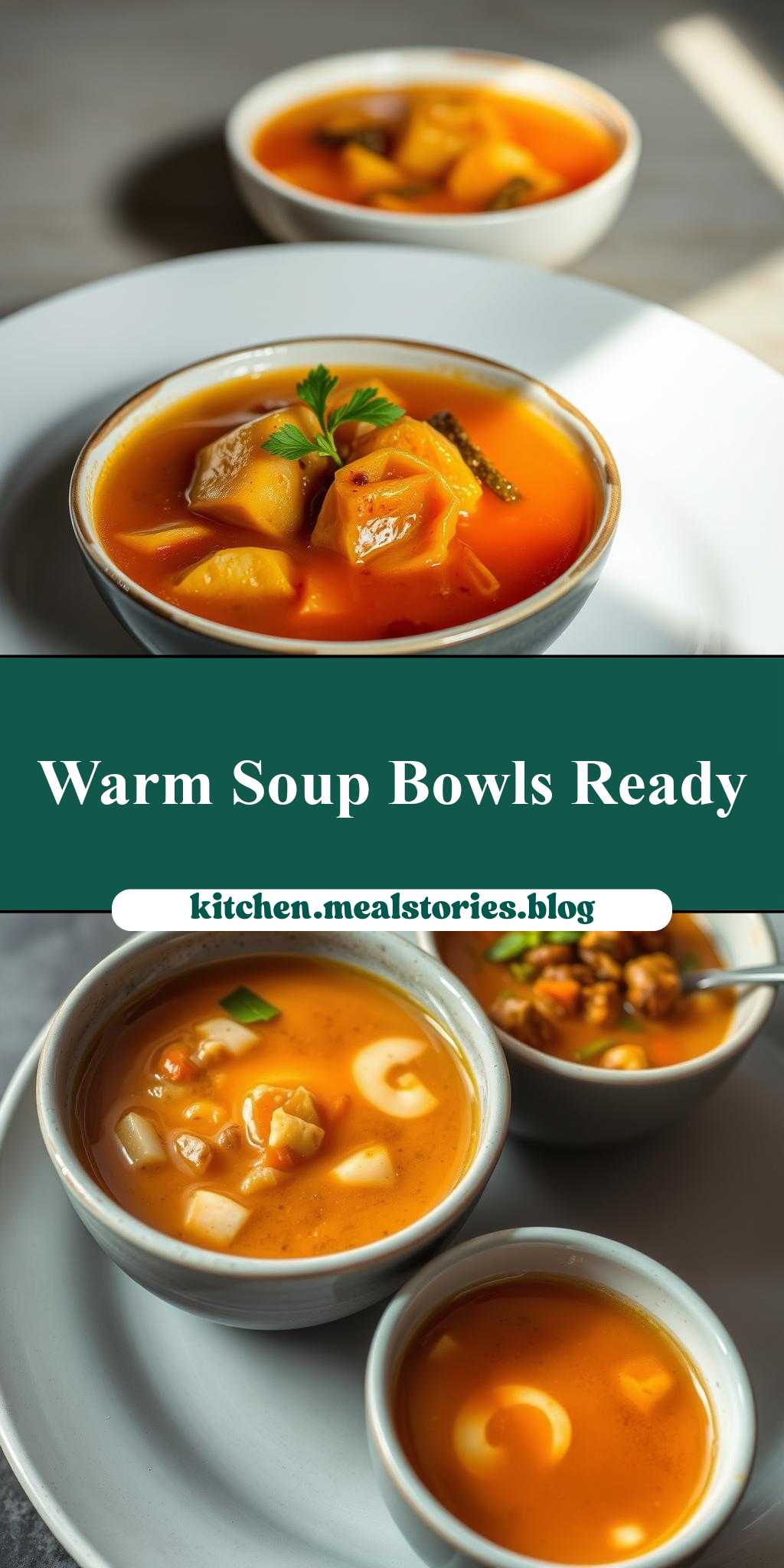
Two Bowls Filled with Soup Next to Each Other
Introduction
Imagine a cozy evening with loved ones, where the centerpiece of your gathering is not just any meal, but a beautifully presented, deliciously warm, and comforting soup, served in two bowls placed side by side. This simple yet elegant setup can elevate any dinner into a special occasion. The best part? It’s incredibly easy to achieve, using everyday ingredients that are likely already in your pantry. The key to this dish is not just the soup itself, but the way it’s presented and the experience it creates. In this recipe, we’ll explore a basic yet flavorful soup recipe and provide you with the inspiration and tips needed to make your dinner gatherings truly unforgettable.
Why This Works
- Flavor balance and ingredient accessibility: The soup recipe we’ll be focusing on combines easily accessible vegetables and proteins, ensuring that the flavors are balanced and the ingredients are readily available in most supermarkets.
- Ease of preparation: One of the most appealing aspects of this recipe is how straightforward it is to prepare. With minimal prep time and a simple cooking process, you can have a delicious, comforting meal ready in no time.
- Impressive results with minimal effort: Despite the simplicity of the recipe, the presentation of two bowls filled with soup next to each other can add a touch of elegance to any dining setting, making it perfect for both casual and more formal gatherings.
Key Ingredients
The foundation of our soup will be built around chicken, vegetables, and aromatic spices. The main ingredients include:
– 1 pound of boneless, skinless chicken breast or thighs, whichever you prefer
– 2 medium-sized carrots, peeled and chopped
– 2 stalks of celery, chopped
– 1 large onion, chopped
– 4 cups of chicken broth
– 1 teaspoon of dried thyme
– Salt and pepper, to taste
– 2 tablespoons of olive oil
For practical substitutions, you can use turkey or vegetable broth if you prefer, and add other vegetables like diced bell peppers or mushrooms to suit your taste.
Instructions
- Step 1: Begin by preparing your ingredients. Chop the onion, carrots, and celery. Measure out your broth, thyme, salt, and pepper. Cut the chicken into bite-sized pieces if using.
- Step 2: In a large pot, heat the olive oil over medium heat. Add the chopped onion, carrots, and celery, and sauté until the vegetables are tender, about 5-7 minutes.
- Step 3: Add the chicken to the pot and cook until it’s browned on all sides and cooked through, about 5-6 minutes. Then, pour in the chicken broth, add the thyme, salt, and pepper, and bring the mixture to a boil.
- Step 4: Reduce the heat to low, cover the pot, and let the soup simmer for about 10-15 minutes or until the flavors have melded together and the soup has reached your desired consistency. Taste and adjust the seasoning as needed.
Handy Tips
- For a clearer soup, skim off any foam that rises to the surface after bringing the soup to a boil. You can also refrigerate the soup overnight and skim off the fat that solidifies at the top.
- Consider making a large batch of the soup and freezing it for up to 3 months for easy future meals.
- Avoid overcooking the vegetables to preserve their texture and color. If using potatoes or other starchy vegetables, they might become mushy if overcooked.
Heat Control
When cooking the soup, it’s essential to control the heat to prevent the soup from boiling over or the ingredients from burning. Start with medium heat for sautéing the vegetables and browning the chicken, then reduce to low heat once you’ve added the broth to let the soup simmer gently. Ideal cooking temperature for simmering is between 180°F and 190°F. The soup is done when the vegetables are tender, and the chicken is cooked through, usually after about 20 minutes of simmering.
Crunch Factor
To add a satisfying crunch to your meal, consider serving the soup with a side of crusty bread or crackers. You can also sprinkle some chopped fresh herbs or croutons on top of the soup for added texture and flavor. For a heartier option, serve with a swirl of creamy yogurt or a dollop of sour cream to contrast the warm, comforting soup.
Pro Kitchen Tricks
- Use high-quality broth as it makes a significant difference in the flavor of the soup. You can also make your own broth from scratch for the best results.
- Don’t overfill the bowls when serving, as this can make the soup difficult to eat neatly. Leave about an inch at the top for a clean and appealing presentation.
- Experiment with different spices and herbs to give your soup a unique twist. For example, adding a pinch of cumin can give it a warm, earthy flavor, while a sprig of fresh rosemary can add a fragrant, herbaceous note.
Storage Tips
- Cool the soup to room temperature before refrigerating or freezing to prevent bacterial growth.
- Use airtight, shallow containers for cooling and storing the soup in the refrigerator to help it cool faster and prevent other flavors from transferring to the soup.
- When reheating, do so gently over low heat, stirring occasionally, to prevent scorching the bottom of the pan.
Gift Packaging Ideas
If you’re considering gifting this soup, especially during colder months or to someone feeling under the weather, present it in a beautifully packaged way. Fill a thermally insulated container with the hot soup, wrap it in a towel or cloth to keep it warm, and place it in a gift basket with some crusty bread, crackers, or even a small bouquet of fresh herbs. You can also include a side of homemade croutons or a small jar of spicy sauce for added flavor.
Flavor Variations
- Different spices: Try adding a teaspoon of smoked paprika for a smoky depth, or a pinch of cayenne pepper for a spicy kick.
- Creative toppings: In addition to the classic croutons or fresh herbs, consider topping your soup with a dollop of sour cream, some diced onions, or even a sprinkle of grated cheese.
- Ingredient swaps: Substitute chicken with turkey, beef, or even tofu for a vegetarian option. You can also use different types of broth or add other vegetables like zucchini, spinach, or bell peppers to change up the flavor and nutrient profile.
Troubleshooting
- Texture problems: If the soup becomes too thick, you can thin it out with a bit more broth. Conversely, if it’s too thin, simmer it for a longer time or add a little cornstarch or flour to thicken.
- Ingredient replacements: If you’re missing an ingredient, don’t hesitate to substitute with something similar. For example, if you don’t have thyme, you could use rosemary or parsley instead.
- Over/undercooking signs: Keep an eye on the soup’s consistency and the doneness of the chicken and vegetables. Undercooked soup might not be hot enough or the ingredients not tender, while overcooked soup can be too thick and the ingredients mushy.
FAQs
- Can I freeze it? Yes, this soup freezes well. Cool it to room temperature, then transfer it to airtight containers or freezer bags, making sure to press out as much air as possible before sealing.
- Is it gluten-free? The basic recipe is gluten-free, but be sure to check the ingredients of your broth and any seasonings you add to ensure they are gluten-free as well.
- Can I double the recipe? Absolutely, this recipe can be easily doubled or tripled to feed a larger crowd. Just be sure you have a large enough pot to accommodate the increased volume.
Conclusion
Creating a warm and inviting dining experience with two bowls filled with soup next to each other is simpler than you think. By following this recipe and incorporating your own personal touches, you can turn a simple meal into a memorable occasion. Don’t be afraid to experiment with different ingredients and spices to make the recipe your own, and enjoy the process of sharing a delicious, comforting meal with those around you.